The UK's Leading Dihexa Resource
Evidence-based information on Dihexa (PNB-0408). Honest science. No hype.
What is Dihexa?
Dihexa (PNB-0408) is a synthetic oligopeptide derived from angiotensin IV, developed at Washington State University in the laboratory of Dr Joseph Harding. It activates the HGF/c-Met pathway in the brain, driving the formation of new synaptic connections — a process called synaptogenesis.
In preclinical work, Dihexa promoted dendritic spine formation at concentrations reported to be far more potent than BDNF on a molar basis in specific assays [McCoy et al., 2013]. All current evidence is animal or in vitro — no completed human trials exist for Dihexa itself.
Featured Research Articles
In-depth, UK-focused condition reviews covering the latest 2025-2026 science. Updated regularly.
Dihexa vs Ginkgo Biloba for Memory, Focus & Brain Fog
The world’s most famous memory herb — but does ginkgo biloba actually improve memory, focus or brain fog? An evidence-based 2026 UK review for students, CEOs and high performers. What ginkgo really is (the standardised EGb 761 extract and its flavonoid and terpene-lactone actives) and its vascular, antioxidant, blood-flow mechanism; the decisive Laws 2012 meta-analysis showing essentially no effect in healthy adults; the two large null dementia-prevention trials (GEM, JAMA 2008 and GuidAge, Lancet Neurology 2012); the modest but genuine 240 mg benefit in established mild dementia; correct dosing and the 8–12 week timeline; and the important bleeding and warfarin safety concern — versus Dihexa’s unproven HGF/c-Met synaptogenesis, the fosgonimeton LIFT-AD Phase 3 failure and the pro-proliferative c-Met concern. Why, for a healthy high performer, neither is a shortcut.
Read review →
How to Fix Brain Fog: Causes, Symptoms & Cures
The complete pillar guide to brain fog — what it actually is, and how to fix it. Why brain fog is a symptom, not a diagnosis; the four mechanisms behind it (neuroinflammation, fuel, hormones and BDNF plasticity), with the 2024 Nature Neuroscience blood–brain-barrier evidence and the Gladstone fibrin research; a full map of the causes from sleep, burnout and menopause to nutrient deficiencies, long COVID and medications, each linked to a dedicated review; the evidence-based fixes (sleep, exercise, fuel, stress and ruling out medical causes with a GP); a dedicated section for students, CEOs and high performers; and an honest look at where nootropics and the HGF/c-Met peptide Dihexa do and do not fit. The best place to start.
Read the guide →
Best Nootropics for Studying, Focus & Memory
Which nootropic actually helps you study harder, focus longer and remember more? An evidence-based 2026 UK guide for students, founders, CEOs and high performers — ranking every option by human proof, not marketing. The free Tier-1 foundation (sleep, exercise and study technique like spaced repetition and active recall); the best-evidenced caffeine + L-theanine 2:1 “calm focus” stack, backed by a 2026 Molecular Psychiatry meta-analysis of 31 randomised trials and a 2025 British Journal of Nutrition sleep-deprivation study; creatine for the tired brain; omega-3, L-tyrosine and rhodiola; the prescription study drugs (modafinil and the Battleday & Brem 2015 systematic review, the UK legal position, side effects, academic integrity and student prevalence); the racetam and peptide tier — and where the synaptogenic HGF/c-Met peptide Dihexa sits, with no completed human trial for studying, the fosgonimeton LIFT-AD Phase 3 failure and the pro-proliferative c-Met concern. Why the boring, legal basics win.
Read the guide →
Dihexa vs L-Theanine for Brain Fog, Focus & Calm
The quiet backbone of the “calm focus” stack that founders, traders, surgeons and finals students swear by — but does L-theanine, the amino acid in tea, actually clear brain fog and sharpen focus, and how does it compare to Dihexa? The mechanism (crossing the blood-brain barrier to raise alpha brain waves and gently modulate GABA, glutamate, dopamine and serotonin for “relaxation without sedation”); the strongest 2026 evidence — a Molecular Psychiatry systematic review and meta-analysis of 31 randomised trials in 1,168 people, where a single 200 mg dose sharpened attention; the famous caffeine + L-theanine 2:1 stack and the 2025 British Journal of Nutrition study showing it improved selective attention even in sleep-deprived adults; the 2024 AlphaWave stress RCT and the 2025 sleep meta-analysis; the honest EFSA 2011 non-substantiation and the excellent safety record (GRAS status, no serious effects to 900 mg/day) — versus Dihexa’s unproven HGF/c-Met synaptogenesis, the fosgonimeton LIFT-AD failure and the pro-proliferative c-Met concern, and why the cheap, safe, legal tea amino acid wins comprehensively.
Read review →
Dihexa vs Ashwagandha for Brain Fog, Cortisol & Focus
The adaptogen your calmest colleague swears by — but does ashwagandha actually clear brain fog, and how does it compare to Dihexa? Written for the executives, founders, students and high performers driving the 2025–2026 cortisol boom. The real mechanism (lowering the stress hormone cortisol that impairs the prefrontal cortex and hippocampus, plus a GABA-mimetic and mild acetylcholinesterase action); the human RCTs that put it ahead of most brain-fog fads — Chandrasekhar 2012 (~27.9% lower cortisol), Choudhary 2017 in the Journal of Dietary Supplements (better memory, attention and executive function), Salve 2019 and Gopukumar 2021; why the benefit is largest in the stressed and nil in the calm; the honest 2025 news of ashwagandha-linked liver injury (NIH LiverTox, the ACG 2025 herbal-supplement systematic review, Lareb, TGA and MHRA Yellow Card); the fosgonimeton LIFT-AD failure and the pro-proliferative c-Met concern — and why sleep, exercise and stress control come first, a studied adaptogen is a considered option, and an unproven peptide is no option at all.
Read review →
Dihexa vs Methylene Blue for Brain Fog & Cognitive Energy
A blue dye older than aspirin became the biohacking world’s obsession — but does methylene blue actually clear brain fog, and how does it compare to Dihexa? Written for the executives, students, shift workers and high performers driving the viral 2025 trend. The mitochondrial mechanism (a redox-cycling alternative electron carrier that feeds cytochrome c oxidase, raising ATP, cerebral oxygen use and blood flow, and crossing the blood-brain barrier easily); the 2016 Radiology randomised double-blind fMRI study in healthy adults (a single low dose lifted memory retrieval ~7%); the honest limits of that thin human evidence; the TauRx hydromethylthionine (HMTM/LMTM) tau-inhibitor derivative that reached the Phase 3 LUCIDITY Alzheimer’s trial and a July 2024 UK MHRA application; the FDA serotonin-syndrome warning from MAO-A inhibition (a real risk with SSRIs, SNRIs, triptans and MAOIs), G6PD haemolysis and industrial-grade purity dangers; the parallel fosgonimeton LIFT-AD failure and the pro-proliferative c-Met concern — and why hype is not evidence, and sleep, exercise and fuel come first, not a dye or a peptide.
Read review →
Dihexa for Jet Lag & Travel Brain Fog
A rare brain fog with rock-solid science — for the business travellers, executives, students and frequent flyers who search for it. Jet lag disorder is a recognised circadian rhythm sleep-wake disorder (CDC Yellow Book 2026) whose symptoms include impaired concentration and memory, because crossing time zones forces the brain to work during its biological night. How the master body clock (the suprachiasmatic nucleus) is reset by light, the ~one-time-zone-per-day recovery rule and why eastward travel is harder; the landmark Cho 2001 Nature Neuroscience cabin-crew study linking short recovery to higher cortisol, a smaller right temporal lobe and worse spatial memory; the experimental-jet-lag hippocampal-neurogenesis and BDNF suppression mechanism; the Cochrane melatonin evidence and the MHRA-licensed, prescription-only jet-lag melatonin; the light-timing, sleep and caffeine toolkit; the fosgonimeton LIFT-AD failure and the pro-proliferative c-Met concern — and why light, a schedule and melatonin come first, not a peptide.
Read review →
Dihexa for Microplastics Brain Fog
The February 2025 Nature Medicine study that found micro- and nanoplastics accumulating in the human brain — at 7–30× the level of the liver or kidney, about 50% more in 2024 than in 2016, and markedly more in the brains of people who had had dementia — the finding the press distilled into “a plastic spoon’s worth” in your head. How the smallest nanoplastics cross the gut, lungs and blood-brain barrier; the Columbia bottled-water data (~240,000 particles a litre, ~90% nanoplastics); the 2023 Duke Science Advances work showing polystyrene nanoplastics accelerate Parkinson’s alpha-synuclein aggregation; the University of Rhode Island mouse study linking microplastics to neuroinflammation and dementia-like behaviour; the honest limits (correlation not causation, the contested “spoon”, the WHO caveat); the UK regulatory gap; practical exposure-cutting steps; and why a pro-proliferative HGF/c-Met peptide is the wrong answer to a particle problem — reducing exposure comes first, not a peptide.
Read review →
Dihexa for Dehydration & Heat Brain Fog
Tied to the record-breaking June 2026 UK heatwave — which broke the June temperature record three times and triggered UKHSA red heat-health alerts — this review explains why heat and dehydration are among the most common and most fixable causes of brain fog. How a body-water loss of just 1–2% measurably impairs attention, working memory, concentration and mood (Ganio 2011 in men, Armstrong 2012 in women); how fMRI shows dehydration shrinks brain tissue and forces it to work harder for the same output (Kempton 2011); how passive hyperthermia degrades working memory and executive function independently of hydration; the cortisol, cerebral-blood-flow and electrolyte mechanism; the NHS hydration guidance; the HGF–c-Met and BDNF synaptogenesis case and the c-Met safety concern — and why rehydrating and cooling down come first, not a peptide.
Read review →
Dihexa for Air Pollution Brain Fog
Air pollution is the UK’s largest environmental health risk — tied to the equivalent of 29,000–43,000 deaths a year — and the 2024 Lancet Commission named it one of just 14 modifiable dementia risk factors (~3% of cases globally). How fine particulate matter (PM2.5) reaches the brain via the bloodstream and olfactory nerve to drive microglial activation, blood-brain-barrier disruption, oxidative stress and tau pathology; the 2025 King’s College London 1946 British Birth Cohort study linking midlife exposure to slower processing speed and brain-structure change; the WHO 2021 no-safe-level guideline; Ella’s Law (the Clean Air Human Rights Bill) re-introduced to the Commons on 1 July 2025; the vascular route; the HGF–c-Met and BDNF synaptogenesis case; and the IARC Group 1 carcinogen c-Met red flag — and why cleaner air comes first, not a peptide.
Read review →
Dihexa for SSRI & Antidepressant Brain Fog
The record NHSBSA 2024/25 prescribing figures (92.6 million antidepressant items dispensed to ~8.89 million people in England); the 40–60% emotional-blunting estimate and the January 2023 University of Cambridge escitalopram study linking SSRIs to reduced reward sensitivity and impaired reinforcement learning; the BDNF paradox (SSRIs generally raise BDNF and hippocampal neurogenesis via 5-HT1A/5-HT4 signalling, so antidepressant fog is not a synapse-deficiency a peptide refills); residual cognitive impairment that persists after mood improves; antidepressant discontinuation and NICE NG222 gradual-tapering guidance; PSSD and its 2024 SNOMED CT recognition; the HGF–c-Met synaptogenesis case and the masking risk — and why a prescriber-led dose review, switch or taper comes first, not a peptide.
Read review →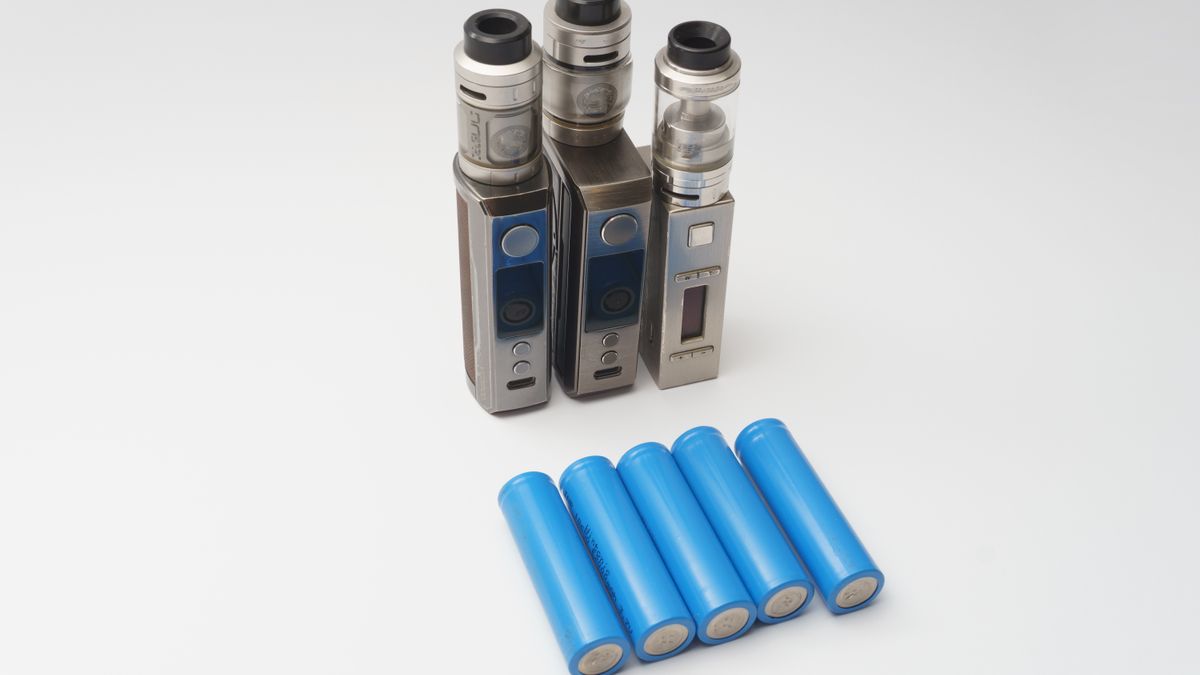
Dihexa for Vaping & Nicotine Brain Fog
The 1 June 2025 UK disposable-vape sales ban and the Tobacco and Vapes Act 2025 (smoke-free generation, Vaping Products Duty); ASH 2025 youth data (~1.1 million 11–17s have tried vaping); the nicotine paradox of acute attention and working-memory enhancement via α4β2 and α7 nicotinic acetylcholine receptors versus tolerance, dependence and withdrawal-related deficits; the 2024 Psychopharmacology e-cigarette cognition scoping review (impaired memory, concentration and decision-making in smokers and never-smokers); the adolescent prefrontal-cortex vulnerability; the nicotine–BDNF–α7 nAChR working-memory link; the 2025 cerebrovascular vaping study; the HGF–c-Met synaptogenesis case and the masking risk — and why quitting nicotine with NHS support comes first, not a peptide.
Read review →
Dihexa for Burnout Brain Fog
The record HSE 2024/25 work-related stress figures (964,000 GB workers, 22.1 million working days lost) and the Mental Health UK Burnout Report 2026 (91% high or extreme pressure); the WHO ICD-11 definition of burnout as an occupational phenomenon; the clinical-burnout cognition meta-analysis (executive function, attention and memory deficits) and the 2025 resting-state EEG burnout study; the cortisol / HPA-axis story and why established burnout is dysregulation rather than simply “high cortisol”; hippocampal CA3 synapse loss, suppressed neurogenesis and chronic-stress BDNF reduction; the HGF–c-Met synaptogenesis case and the masking risk unique to burnout — and why rest, recovery and reducing the load come first, not a peptide.
Read review →
Dihexa for Cannabis & Weed Brain Fog
The January 2025 JAMA Network Open working-memory fMRI study of 1,003 young adults (63% of heavy lifetime and 68% of recent users showing reduced dorsolateral/dorsomedial prefrontal and anterior-insula activity); how THC acts on CB1 receptors and cross-talks with the BDNF–neurogenesis system; why cannabis cognition largely recovers after abstinence (Scott 2018 JAMA Psychiatry meta-analysis, deficits diminishing past ~72 hours); high-potency “skunk” and psychosis risk; synthetic “Spice” and cannabinoid hyperemesis syndrome; the May 2025 London Drugs Commission decriminalisation report — and why a tolerance break comes first, not a peptide.
Read review →
Dihexa for Vitamin D Deficiency Brain Fog
The April 2026 Neurology Open Access midlife vitamin D–tau PET study (Mulligan et al., University of Galway / Boston University / UT Health San Antonio) linking higher midlife vitamin D to lower Alzheimer’s tau a decade later; the classic Littlejohns 2014 Neurology cohort (122% higher dementia risk when severely deficient); the vitamin D receptor–CREB–TrkB–BDNF mechanism; the genuinely mixed VitaMIND and Finnish Vitamin D supplementation trials; the 2025 dose-response dementia meta-analysis; NHS/SACN 25(OH)D thresholds and the 10 µg autumn/winter rule — and why correcting vitamin D comes first, not a peptide.
Read review →
Dihexa for Baby Brain & Postpartum Brain Fog
Why “baby brain” is real: the Davies 2018 Medical Journal of Australia meta-analysis, the Hoekzema 2017 and Pritschet 2024 Nature Neuroscience maternal-brain remodelling studies, the postpartum estradiol-BDNF crash, the allopregnanolone / brexanolone / zuranolone (Zurzuvae, FDA Aug 2023) neurosteroid story, the dominant sleep, postpartum-thyroiditis and iron drivers, ONS 567,708 England births (2024) and the RCPsych July 2025 postnatal-depression estimate — and why pregnancy and breastfeeding are absolute contraindications for an unlicensed HGF/c-Met peptide.
Read review →
Dihexa for Coeliac & Gluten Brain Fog
The Yelland 2017 gluten-induced cognitive impairment review, the Lichtwark 2014 mucosal-healing cognition data, the Addolorato 2004 SPECT finding of reversible cerebral hypoperfusion in 73% of untreated coeliac patients, the Sheffield gluten-neurology / transglutaminase-6 tradition (Hadjivassiliou), NICE NG20, the malabsorption drivers, and Coeliac UK’s ~1 in 100 / ~500,000-undiagnosed figures.
Read review →
Dihexa for PoTS Brain Fog
The Dulal 2025 European Heart Journal >65 million-record analysis showing a ~14-fold rise in PoTS incidence post-pandemic; the January 2025 Seeley Scientific Reports Adelaide brain SPECT study documenting abnormal regional cerebral perfusion in PoTS cognitive dysfunction; the 2025 Larsen Circulation: Arrhythmia & Electrophysiology finding that ~31% of highly symptomatic Long COVID patients meet PoTS criteria; the October 2024 Westminster Hall debate (Cat Smith MP) and PoTS UK Parliamentary Campaign 2025; the absence of a NICE PoTS guideline; ivabradine off-licence under specialist supervision; and the Levine/CHOP reconditioning protocol — 80–85% female, 85–91% brain fog burden.
Read review →
Dihexa for Lyme Disease & PTLDS
The CMO 2025 infections report (Whitty); Cairns BMJ Open 2019 UK incidence climbing 2.55 to 9.33/100,000 person-years; the April 2025 Jutras Science Translational Medicine peptidoglycan-persistence paper; the 23 March 2026 Pfizer/Valneva VLA15 (PF-07307405) Phase 3 VALOR readout (73.2% efficacy); NICE NG95; and the 10–20% PTLDS rate with up to 90% cognitive symptom burden.
Read review →
Dihexa for PCOS / PMOS Brain Fog
The 12 May 2026 Lancet global-consensus PMOS rename (Polyendocrine Metabolic Ovarian Syndrome) led by the Endocrine Society, the International Androgen Excess & PCOS Society and Verity (UK PCOS Charity) across 56 organisations and 14,300 survey responses; the 31 January 2024 Huddleston Neurology CARDIA midlife paper (907 women, ~11% lower Stroop attention, lower white-matter FA on DTI); the 9 December 2026 NICE PCOS guideline GID-NG10436; the 7-fold rise in GLP-1 prescribing 2021-2025; and the ~3 million UK women affected (up to 70% undiagnosed).
Read review →
Dihexa for Endometriosis Brain Fog
The November 2025 Lancet O&G/WH 'overlooked symptom' commentary from Edinburgh EXPPECT, the April 2025 Horn FACT-Cog 1,239-patient survey (~80% perceived cognitive impairment), the March 2025 NICE TA1057 Ryeqo approval (first daily pill on NHS), the April 2024 NICE NG73 update, the April 2026 renewed Women’s Health Strategy with 117 action points, the 2023 Greaves CNS-wide glial activation mouse model, the BDNF/TrkB central-sensitisation directionality paradox, and the ~1.5 million UK women affected.
Read review →
Dihexa for Autism Spectrum Disorder (ASD)
The Campbell rs1858830 MET promoter C-allele autism finding (the strongest mechanistic anchor to Dihexa pharmacology), the January 2026 mGluR5 PET 16-23% lower availability, the December 2025 DAYBUE STIX (trofinetide) Rett approval, the March 2026 FDA leucovorin decision (CFD only, not autism), the 270,701 NHS open referrals breaching NICE NG142, and the ~700,000 UK autistic population.
Read review →
Dihexa for Migraine & Chronic Migraine
The May 2024 NICE TA973 atogepant (Aquipta, AbbVie) approval, the rimegepant / erenumab / galcanezumab / fremanezumab / eptinezumab CGRP pathway, 2025 chronic-migraine hippocampal atrophy & accelerated brain ageing research, the Tanure BDNF-elevated-in-attack paradox, NICE NG150, and the ~10 million UK migraine population.
Read review →
Dihexa for ME/CFS (Myalgic Encephalomyelitis)
DecodeME GWAS preprint Aug 2025 (8 loci, female-only signal), UK ME/CFS Delivery Plan ‘My Full Reality’ July 2025, NIH Walitt 2024 deep-phenotyping, UBC Nacul LDN trial, NICE NG206, and the ~250,000 UK ME/CFS population.
Read review →
Dihexa for Sleep Apnea Brain Fog
OSA & hypoxemia, REM CA1 hippocampal loss (UC Irvine May 2025), Zepbound (tirzepatide) FDA approval Dec 2024 (SURMOUNT-OSA), NICE NG202, and the ~13 million UK adults estimated to have OSA.
Read review →
Dihexa for OCD
HGF/GABA biology, Russo 2013, troriluzole BHV-4157 failure, psilocybin COMP360, and the 750,000 UK OCD population.
Read review →
Dihexa for Tinnitus & Hyperacusis
Lenire neuromodulation, Susan Shore Auricle, cochlear synaptopathy, and the 7.6 million UK tinnitus population.
Read review →
Dihexa for Vascular Dementia
17% of UK dementia, UCLA April 2026 breakthrough, MarkVCID biomarkers, and the HGF/c-Met angiogenesis case.
Read review →
Dihexa for Frontotemporal Dementia
The October 2025 Alector latozinemab Phase 3 failure, progranulin biology, and the 31,000 UK FTD population.
Read review →
Dihexa for Schizophrenia
KarXT/Cobenfy first non-D2 mechanism in 30 years, iclepertin CONNEX failure, and C4 synaptic pruning.
Read review →
Dihexa for Huntington’s Disease
AMT-130 gene therapy 75% slowing, WVE-003 allele-selective lowering, and the corticostriatal BDNF/TrkB axis.
Read review →
Dihexa for Lewy Body Dementia
CervoMed neflamapimod Phase 2b/3, alpha-synuclein seed amplification, and 100,000 UK DLB patients.
Read review →
Dihexa for Parkinson’s Disease
The NIHR PD Translational Research Collaboration, fosgonimeton SHAPE PDD signal, and 153,000 UK PD patients.
Read review →Explore Our Research
Dive deep into every aspect of Dihexa — from molecular mechanisms to UK legal considerations.
Mechanism of Action
How Dihexa activates the HGF/c-Met pathway to promote synaptogenesis, dendritic spine formation, and long-term potentiation.
Read more →Potential Benefits
Memory, learning, neuroplasticity, neuroprotection — what the preclinical evidence actually says, with honest caveats.
Read more →Dosage Guide
Animal research doses, anecdotal community protocols, routes of administration, and cycling strategies.
Read more →Side Effects & Risks
The c-Met/oncogenic concern, retracted research, WADA status, drug interactions, and who should avoid Dihexa.
Read more →Research & Evidence
Complete analysis of key studies including the 2014 retraction, LIFT-AD failure, and independent supporting data.
Read more →UK Legal Status
Dihexa's position under UK law: not controlled, not licensed as a medicine, sold as a research chemical.
Read more →Dihexa Research Timeline
Key milestones in the scientific journey of Dihexa and related compounds.
Original Discovery Published
McCoy et al. publish landmark study demonstrating Dihexa's synaptogenic properties via HGF/c-Met activation at Washington State University [McCoy et al., 2013].
Benoist et al. Study (Later Retracted)
Follow-up study published on Dihexa's cognitive effects. Later retracted due to data fabrication concerns involving Kawas and Harding [Benoist et al., 2014 — RETRACTED].
Wright & Harding Review
Comprehensive review of angiotensin IV analogs and their cognitive effects published [Wright & Harding, 2015].
Fosgonimeton Phase 1 Trials
M3 Biotechnology (later Athira Pharma) completes Phase 1 safety trials of fosgonimeton, a prodrug of Dihexa. Deemed safe and well-tolerated.
Athira Pharma Scandal & Independent Support
CEO Leen Kawas resigns amid data falsification allegations. Separately, Sun et al. publish independent supportive data in APP/PS1 mice [Sun et al., 2021].
ACT-AD Phase 2 Trial
Fosgonimeton's Phase 2 ACT-AD trial in Alzheimer's patients fails its primary endpoint.
LIFT-AD Phase 2/3 Failure
The larger LIFT-AD trial fails both primary and key secondary endpoints, raising questions about the clinical viability of fosgonimeton.
Athira Settles False Claims Act
Athira Pharma settles for $4 million with the US Department of Justice related to NIH grants using compromised research data.
Frequently Asked Questions
Quick answers to the most common questions about Dihexa. See our full FAQ page for 25+ questions.
Dihexa (PNB-0408) is a synthetic peptide derived from angiotensin IV, developed at Washington State University. It activates the HGF/c-Met receptor pathway in the brain, promoting the formation of new synaptic connections (synaptogenesis). In preclinical studies, it has shown remarkable effects on memory and learning in animal models. All current evidence is from animal and cell studies — there are no completed human trials for Dihexa itself. Learn more about Dihexa.
Dihexa is not a controlled substance under the Misuse of Drugs Act 1971 and is not listed under the Psychoactive Substances Act 2016. It is not licensed as a medicine by the MHRA. It occupies a grey area: legal to purchase for research purposes, but it cannot be sold as a medicine or for human consumption. Read our full UK legal analysis.
The honest answer is that we don't know for certain. Dihexa activates the c-Met receptor pathway, which is also involved in certain cancers — creating a theoretical oncogenic concern. There is no long-term human safety data. A key supporting study was retracted due to data fabrication, and the related prodrug fosgonimeton saw adverse events in clinical trials. Those with cancer, precancerous conditions, or compromised immune systems should avoid Dihexa. Read about risks in full.
There is no medically established human dose for Dihexa. Anecdotal community reports typically describe 10–30mg per day taken orally, with 10mg being a common starting point. Cycling protocols (e.g. 90 days on, 30 days off) are reported but not scientifically validated. Oral bioavailability is estimated at approximately 38%. Always consult a healthcare professional before considering any research compound. See the full dosage guide.
Fosgonimeton is a phosphate prodrug of Dihexa developed by Athira Pharma (formerly M3 Biotechnology). It is a different molecule with a different route of administration (subcutaneous injection) and was tested in Alzheimer's patients. Fosgonimeton failed its Phase 2 ACT-AD trial in 2022 and its Phase 2/3 LIFT-AD trial in September 2024. Importantly, fosgonimeton is NOT the same as raw Dihexa — the trial failures do not directly translate to conclusions about Dihexa itself. Read our full fosgonimeton analysis.
Stay informed
Be the first to know when Dihexa 10mg capsules are available. UK-sourced, research grade, COA provided.