Dihexa Research Blog
Evidence-based reviews and in-depth research articles on Dihexa, peptide science, and cognitive enhancement. 37 reviews published, updated weekly.
Dihexa for Hashimoto's & Hypothyroid Brain Fog: TPO Antibodies, the T3-BDNF-HGF Axis & NICE NG145 (2026 UK Review)
Rigorous 2026 UK review for Hashimoto's thyroiditis — the most common autoimmune disease in iodine-sufficient countries (4.8–25.8% women, 0.9–7.9% men; women 2–7x higher) and the dominant cause of UK hypothyroidism. Memory disorders affect ~24% of patients, slow thinking 22%, fatigue 18%; ~10% of levothyroxine-treated patients have persistent brain fog despite normal TSH. Covers the October 2025 NICE NG145 exceptional surveillance decision (levothyroxine first-line; liothyronine T3 not routinely recommended); the T3-BDNF-HGF axis in the hippocampus (Endocrinology 2016; Sui 2021); TPO and thyroglobulin antibodies and the 2021 Scientific Reports ERP/MRS Hashimoto's cognition study; the 2025 Medicina scoping review; Hashimoto's encephalopathy (SREAT) — the 2025 Biomedicines and Frontiers in Psychiatry reviews and the 2-year persistent cognitive deficit picture; the DIO2 polymorphism and brain-T3 question; vitamin D / iron / B12 / coeliac as treatable imitators; the c-Met / papillary thyroid cancer biology; British Thyroid Foundation, Thyroid UK, BTA and NHS resources; the fosgonimeton LIFT-AD cautionary parallel; and why a synaptogenic peptide is mechanistically interesting but clinically unproven for thyroid brain fog — with a specific c-Met oncology concern in a population with elevated thyroid-nodule risk.
Read the full review →Dihexa for PCOS (PMOS) Brain Fog & Polyendocrine Metabolic Ovarian Syndrome Cognitive Dysfunction: Hyperandrogenism, Insulin Resistance, BDNF, GLP-1, the May 2026 PMOS Rename, NICE PCOS Guideline (Dec 2026) & the UK Review
Rigorous 2026 UK review for the ~3 million UK women with PCOS / PMOS (~10% reproductive-age; ~170 million worldwide; up to 70% undiagnosed): the 12 May 2026 Lancet global-consensus rename to PMOS (Polyendocrine Metabolic Ovarian Syndrome) led by Endocrine Society, International Androgen Excess & PCOS Society and Verity (UK PCOS Charity) across 56 organisations and 14,300 patient/clinician surveys (86% patient, 71% clinician support); the 31 January 2024 Huddleston et al. Neurology CARDIA paper (907 women, 30-year follow-up; ~11% lower Stroop attention, lower RAVLT memory, lower category fluency, reduced white-matter fractional anisotropy on DTI); the 9 December 2026 NICE PCOS guideline GID-NG10436; the 2023 International Evidence-Based PCOS Guideline (Teede / Monash, ESHRE/ASRM/Endocrine Society/NIH/Verity endorsed) with AMH as Rotterdam alternative; the 7-fold rise in GLP-1 prescribing in PCOS from 2.4% (2021) to 17.6% (2025) per Truveta and the UK HRA Semaglutide vs Metformin RCT; the 2026 Frontiers Nutrition adolescent BDNF paper; the 2025 ACS Chem Neuro BDNF-as-PCOS/ASD-bridge paper; the hyperandrogenism / insulin-resistance / chronic-inflammation triple axis; and why a synaptogenic peptide may be directionally wrong for elevated-BDNF, ovarian-HGF/c-Met PCOS pathology.
Read the full review →Dihexa for Endometriosis Brain Fog & Endo-Associated Cognitive Dysfunction: Neuroinflammation, BDNF, Central Sensitisation, Ryeqo NICE TA1057, the 2026 Women's Health Strategy & the UK Review
Rigorous 2026 UK review for the ~1.5 million UK women with endometriosis (~10% of women of reproductive age; 9 years 4 months diagnostic delay): the November 2025 Lancet O&G/WH 'overlooked symptom' commentary by Mahony, Saunders, Whitaker & Horne from the Edinburgh EXPPECT centre; the April 2025 Horn / Sherman / Pehlivan Macquarie FACT-Cog 1,239-patient survey (~80% perceived cognitive impairment); the March 2025 NICE TA1057 approval of Ryeqo (relugolix-estradiol-norethisterone, Gedeon Richter) - the first daily oral pill on the NHS; the April 2024 NICE NG73 update; the April 2026 renewed Women's Health Strategy with 117 action points; the 2023 Greaves Journal of Neuroinflammation mouse model of CNS-wide glial activation; the 2025 Frontiers JAK-STAT & mast cell paper; the Wu Hu Liang 2022 BMC BDNF/TrkB-elevated-in-dysmenorrhea paper and the central directionality paradox; the BSGE pathway; and why a synaptogenic peptide may be directionally wrong for endometriosis central sensitisation.
Read the full review →Dihexa for Lupus (SLE) Brain Fog & Neuropsychiatric Lupus (NPSLE): Anti-NMDA Antibodies, Anifrolumab Saphnelo, CAR-T (Erlangen), Deucravacitinib POETYK & the 2026 UK Review
Rigorous 2026 UK review for the ~100,000 UK lupus population (CPRD 107/100,000 prevalence by 2020): the Diamond/Volpe anti-NMDA receptor (DNRAb / NR2A/B) cognitive-impairment paradigm, the Erlangen / Schett group CD19 CAR-T 12-patient EULAR 2024 cohort (11/12 in drug-free remission at 458 days), the September 2024 EU CHMP approval of anifrolumab (Saphnelo) SC self-administration pen, the November 2025 BMS deucravacitinib (Sotyktu) PAISLEY-SLE 4-year ACR data and the now-enrolling POETYK SLE-1 / SLE-2 Phase 3, the Biogen litifilimab (BIIB059) TOPAZ anti-BDCA2 Phase 3 programme, NICE TA882 voclosporin, NICE TA397 / TA752 belimumab, the BSR 2018 guideline and the directionality risk of a synaptogenic peptide in DNRAb-mediated NMDA-receptor cognitive damage.
Read the full review →Dihexa for Autism Spectrum Disorder (ASD), MET Gene Variants & Neurodevelopmental Cognitive Support: rs1858830, HGF/c-Met, mGluR5 PET, Leucovorin & the 2026 UK Review
Rigorous 2026 UK review for the ~700,000 UK autistic population: the Campbell rs1858830 MET promoter C-allele autism finding — the strongest mechanistic anchor to Dihexa pharmacology of any condition this site has reviewed — alongside the January 2026 mGluR5 PET 16-23% lower cortical availability, the December 2025 DAYBUE STIX (trofinetide) Rett approval, the March 2026 FDA leucovorin decision (CFD only, not autism), the January 2026 Panda RCT retraction, the 270,701 NHS open referrals breaching NICE NG142, and why a synaptogenic peptide during critical-period plasticity carries real directionality risk.
Read the full review →Dihexa for Migraine & Chronic Migraine: CGRP, BDNF, Hippocampal Atrophy, Atogepant (Aquipta) NICE TA973, Rimegepant & the 2026 UK Review
Rigorous 2026 UK review for the ~10 million UK migraine sufferers: the May 2024 NICE TA973 atogepant (Aquipta, AbbVie) approval and the ~170,000 England-eligible patients, the rimegepant TA919/TA906 and the erenumab/galcanezumab/fremanezumab/eptinezumab CGRP monoclonal antibody pathway, NICE TA260 Botox for chronic migraine, the 2025 hippocampal-atrophy & accelerated-brain-ageing literature, the Tanure BDNF-elevated-in-attack paradox, NICE NG150 and why a synaptogenic peptide may be directionally wrong for migraine biology.
Read the full review →Dihexa for ME/CFS (Myalgic Encephalomyelitis / Chronic Fatigue Syndrome): DecodeME, BDNF, Microglial Neuroinflammation & LDN
Rigorous 2026 UK review of Dihexa for ME/CFS, post-exertional malaise (PEM) and post-viral fatigue: the August 2025 DecodeME GWAS preprint (8 loci, RABGAP1L / BTN2A2 / OLFM4 / FBXL4 / CA10, female-only signal), the July 2025 UK ME/CFS Delivery Plan, the NIH Walitt 2024 deep-phenotyping paper, the UBC Nacul low-dose naltrexone trial, NICE NG206 and where a synaptogenic peptide could fit (or be risky for) PEM.
Read the full review →Dihexa for Sleep Apnea Brain Fog (OSA, Hypoxemia & Zepbound/Tirzepatide)
Rigorous 2026 UK review of Dihexa for obstructive sleep apnea (OSA) brain fog, REM hypoxemia & CA1 hippocampal damage, the December 2024 FDA Zepbound approval (SURMOUNT-OSA) and the post-CPAP cognitive deficit.
Read the full review →Dihexa for Fibromyalgia & Fibro Fog
Rigorous 2026 UK review of Dihexa for fibromyalgia and fibro fog.
Read the full review →Dihexa for OCD (Obsessive-Compulsive Disorder)
Rigorous 2026 UK review of Dihexa for obsessive-compulsive disorder (OCD).
Read the full review →Dihexa for Tinnitus, Hyperacusis & Cochlear Synaptopathy
Rigorous 2026 UK review of Dihexa for tinnitus, hyperacusis and cochlear synaptopathy (‘hidden hearing loss').
Read the full review →Dihexa for Bipolar Disorder
Can Dihexa help bipolar disorder, bipolar depression or bipolar cognitive impairment?
Read the full review →Dihexa for CTE (Chronic Traumatic Encephalopathy)
Rigorous 2026 UK review of Dihexa for chronic traumatic encephalopathy (CTE).
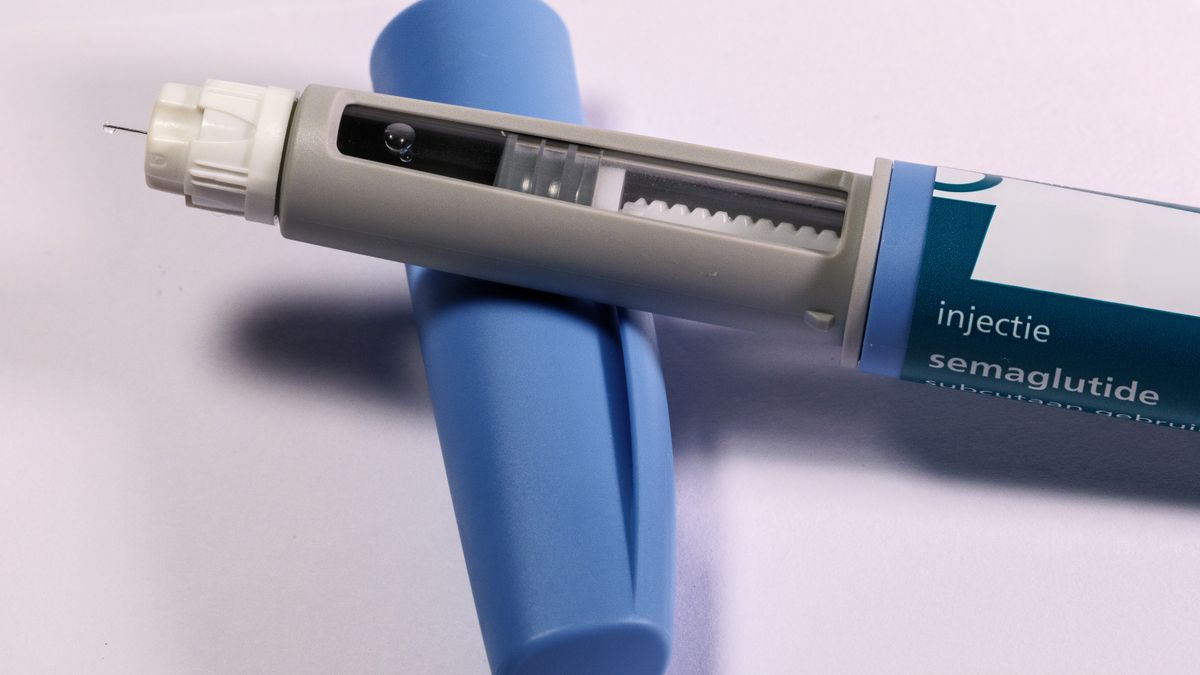
Read the full review →Dihexa & GLP-1 Drugs (Ozempic, Wegovy, Mounjaro) and the Brain
Do GLP-1 drugs like Ozempic, Wegovy and Mounjaro protect the brain — or cause brain fog?
Read the full review →Dihexa for Schizophrenia
Can Dihexa help schizophrenia, cognitive impairment associated with schizophrenia (CIAS) or negative symptoms?
Read the full review →Dihexa for Huntington's Disease
Can Dihexa help Huntington's disease (HD)?
Read the full review →Dihexa for Lewy Body Dementia (DLB)
Can Dihexa help dementia with Lewy bodies (DLB) or Parkinson's disease dementia (PDD)?
Read the full review →Dihexa for Frontotemporal Dementia (FTD)
Can Dihexa help frontotemporal dementia (FTD)?
Read the full review →Dihexa for PTSD & Complex PTSD
Can Dihexa help PTSD or complex PTSD?
Read the full review →Dihexa for Vascular Dementia & Vascular Cognitive Impairment
Can Dihexa help vascular dementia (VaD) or vascular cognitive impairment (VCI)?
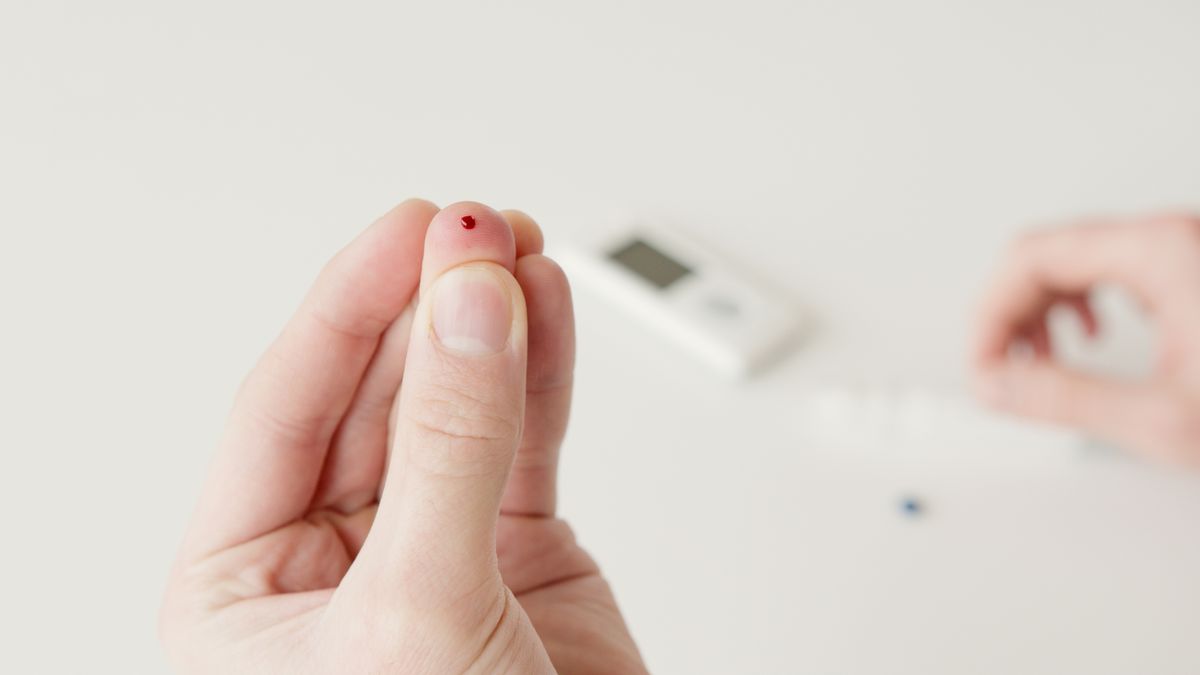
Read the full review →Dihexa for Diabetic Brain Fog & T2DM Cognition
Can Dihexa help diabetic brain fog or T2DM cognitive decline?
Read the full review →Dihexa for ALS & Motor Neurone Disease (MND)
Could Dihexa help ALS / motor neurone disease?
Read the full review →Dihexa for Stroke Recovery & Post-Stroke Cognitive Impairment (PSCI)
Could a synaptogenic HGF/c-Met peptide help stroke recovery, post-stroke cognitive impairment (PSCI) or aphasia?
Read the full review →Dihexa for Chemo Brain (CICI)
Can a synaptogenic peptide help chemo brain?
Read the full review →Dihexa for Multiple Sclerosis (MS)
Can Dihexa help MS cognitive impairment or remyelination?
Read the full review →Dihexa for Parkinson's Disease
Can Dihexa help Parkinson's disease?
Read the full review →Dihexa for Anxiety & Chronic Stress
Can Dihexa help anxiety, GAD, panic, PTSD or burnout?
Read the full review →Dihexa for MCI & Brain Aging
Can Dihexa help mild cognitive impairment (MCI) or brain aging?
Read the full review →Dihexa, Sleep & Vivid Dreams
Why does Dihexa cause vivid dreams?
Read the full review →Dihexa for ADHD
Can Dihexa help adult ADHD?
Read the full review →Dihexa for Menopause Brain Fog
Can Dihexa help menopause or perimenopause brain fog?
Read the full review →Dihexa for Long COVID Brain Fog
Can Dihexa help Long COVID brain fog?
Read the full review →Dihexa for Depression & Mood
Can Dihexa help depression, anhedonia or low mood?
Read the full review →Dihexa for TBI, Concussion & Stroke Recovery
Does Dihexa help TBI, concussion, post-concussion syndrome or stroke recovery?
Read the full review →Dihexa Review 2026
Dihexa review 2026: effects users report, how long it takes to work, oral vs sublingual onset, vivid dreams, cycling protocols, and evidence-based expectations.
Read the full review →Dihexa vs BDNF
Dihexa is claimed to be 10 million times more potent than BDNF at inducing synaptogenesis.
Read the full review →Dihexa Stacking Guide
Evidence-based Dihexa stacking guide: Semax, Selank, BPC-157 & cholinergic stacks.
Read the full review →